Before wellness was a $60B industry, it was an inheritance passed down in leaves, roots, and ritual. Learn how to bridge the gap between ancient rites and modern science to reclaim your health from the corporate grift.
The wellness industry wants you to believe that healing is as simple as clicking ‘add to cart’ on a $100 detox kit or swallowing a handful of neon-colored gummies. They have taken 5,000 years of ancestral wisdom and squeezed it into a marketing funnel designed to keep you scrolling and spending. But before wellness was a $60B industry, it was an inheritance. It was a practice passed down in leaves, roots, and ritual. It was a discipline that required an understanding of both the compounds in the dirt and the traditions of the tribe.
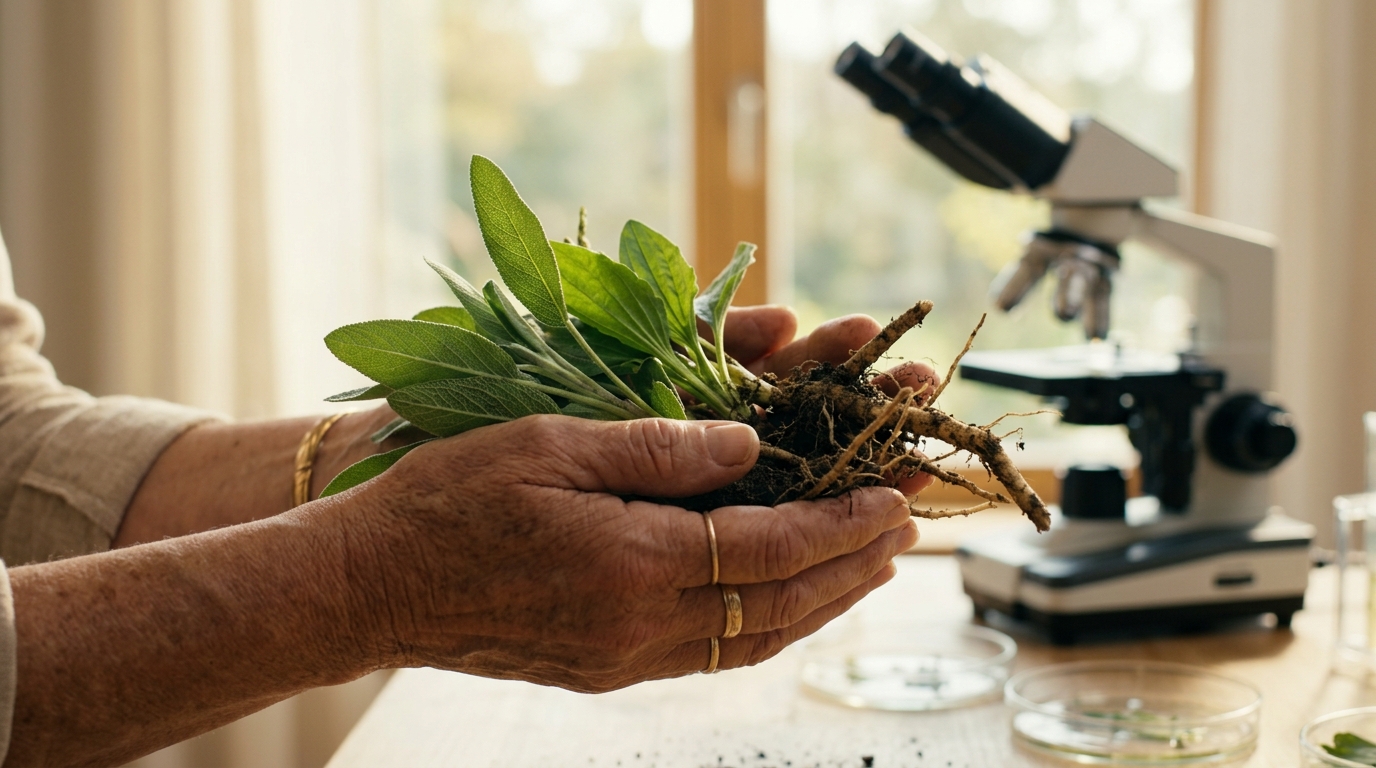
I’m exhausted by the superficial trends and furious at the frauds who turned ancient healing into a deadly grift. I’m not here to sell you crystals. I’m are here to root you in truth by bridging the gap between indigenous knowledge and peer-reviewed science. Understanding the power of herbal medicine starts with ripping the soil off the commercial lies and looking at the roots.
What is herbal medicine?
Herbal medicine, often called herbalism or botanical medicine, is the therapeutic use of plants and their extracts to restore internal balance. It is not just about popping a natural pill to suppress a symptom. It is a holistic philosophy that considers your spiritual, emotional, and physical needs alongside your environment and stress levels. Johns Hopkins Medicine defines these plant-based products as phytomedicines, noting they can be used internally as supplements or applied topically as balms and tinctures.
The history of these practices stretches back thousands of years, forming the primary healthcare foundation for civilizations across the globe. Even today, the National Library of Medicine reports that up to 90% of the population in Africa and 70% in India still rely on herbal medicine to meet their primary healthcare needs. In China, traditional medicine accounts for roughly 40% of all healthcare delivered.
But there is a sharp divide between the “folk herbalism” practiced in communities for generations and the mass-produced versions sold in plastic bottles. Real herbalism is a lifelong journey of understanding phytochemical structures and the synergistic action between different plants. It is an inheritance of knowledge that the modern wellness market is trying to monetize without respecting the discipline it requires.
The scientific foundation for understanding the power of herbal medicine
Critics often dismiss herbalism as “woo” or “pre-scientific,” but the receipts say otherwise. Modern pharmacology is not a replacement for traditional medicine; it is a derivative of it. According to the World Health Organization, around 40% of pharmaceutical products today draw directly from nature and traditional knowledge.
Let’s break it down. Aspirin was synthesized from willow bark, a remedy used for over 3,500 years by Sumerians and Egyptians. Artemisinin, the first-line treatment for malaria, was isolated from sweet wormwood after scientists turned to ancient Chinese medical literature for clues. Even childhood cancer treatments like vinblastine and vincristine are derived from the Madagascar periwinkle. When we talk about plant medicine, we are talking about the literal foundation of modern science.
The whole plant synergy
One of the key differences in how we approach plant power is the concept of synergy. Pharmaceutical companies like to isolate a single active compound to create a standardized drug. Herbalists, however, believe that the effect of the whole plant is greater than its parts.
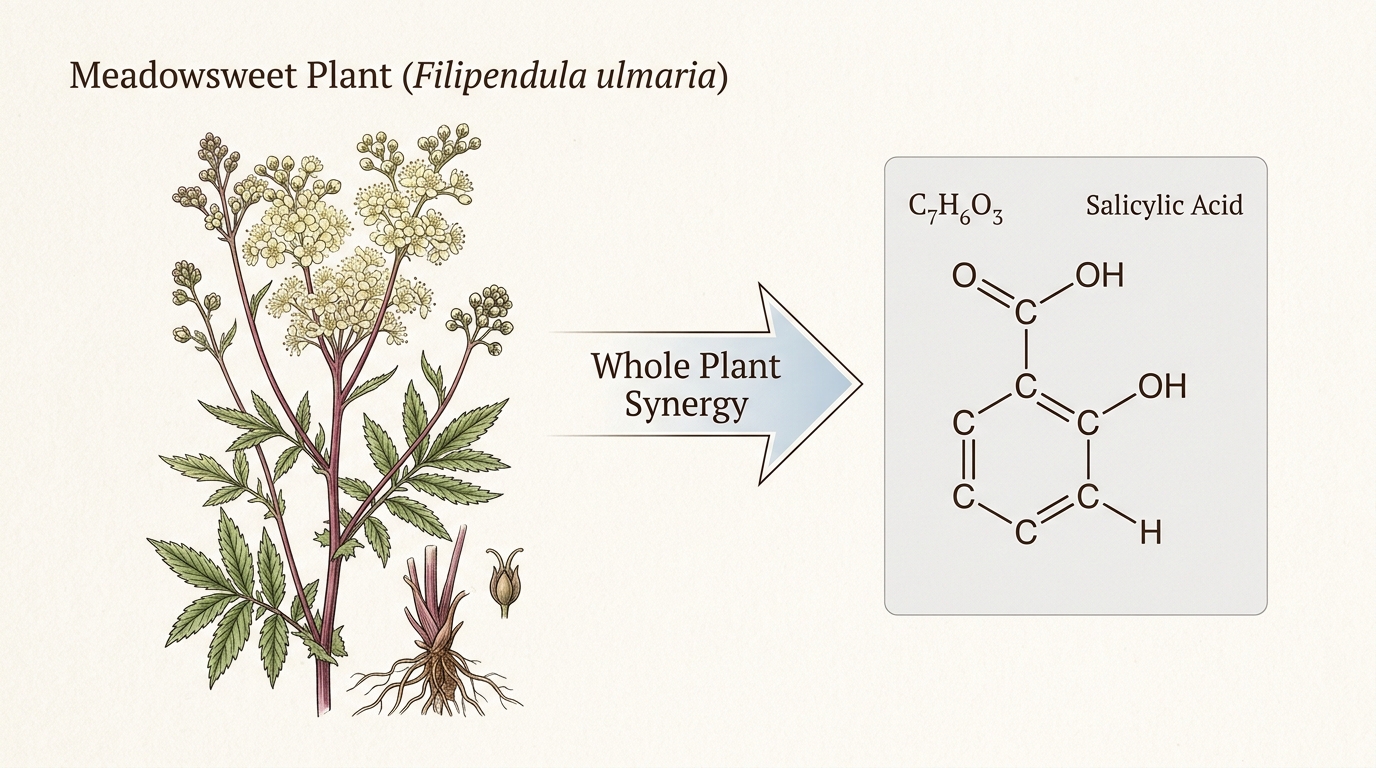
Take meadowsweet, for example. It contains salicylic acid, the precursor to aspirin. While pure aspirin can cause stomach bleeding, meadowsweet naturally contains other compounds that prevent irritation to the stomach lining. This “potentiating effect” is why traditional systems rarely use single herbs (simples) and instead favor complex formulas.
Historical receipts
Ancient texts like The Divine Farmer’s Classic of Herbalism, compiled 2,000 years ago, are the precursors to modern pharmacopoeias. These were not just collections of stories; they were methodically collected monographs on individual herbs, their properties, and their interactions with the human body. We are not “discovering” these benefits today; we are simply validating what our ancestors recorded in historical monographs.
Exposing the $60B grift: Understanding the power of herbal medicine regulation
This is where the soil gets ugly. Because the FDA classifies herbal supplements as food rather than drugs, they are not subject to the same clinical trials or manufacturing standards as prescription medications. They are presumed safe until someone gets hurt. This regulatory void has created a playground for frauds and corporate giants to sell “healing” that is often anything but.
A 2019 study found that almost 50% of herbal products tested had contamination issues. We are talking about heavy metals, pesticides, rodent hair, and even unlisted prescription drugs. Corporate manufacturers often use fillers to cut costs, delivering a product that has zero trace of the herb listed on the label. They are selling you the idea of wellness while the actual compounds are absent.
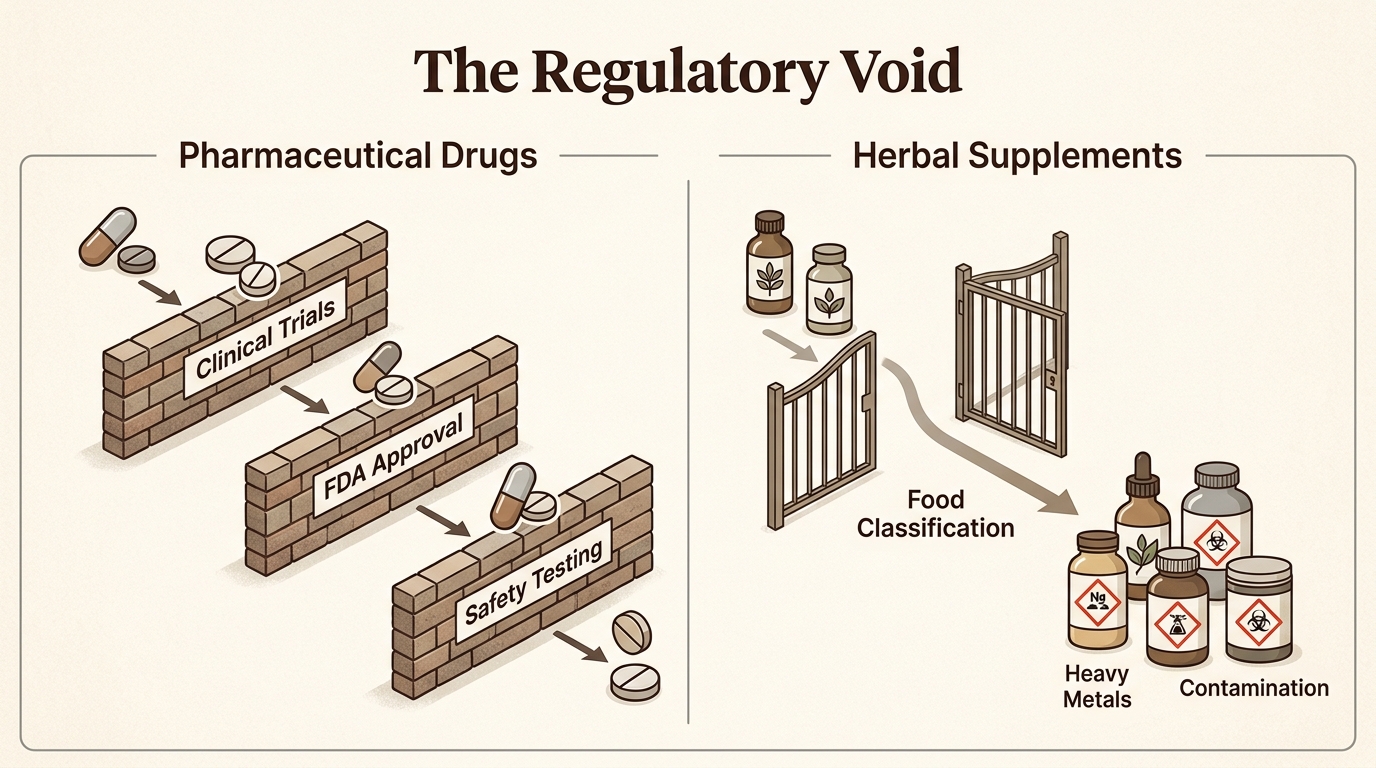
This is a deadly grift. When a company sells you a “quick-fix detox kit” without explaining the discipline required to use those herbs safely, they are exploiting your desire for health. They want you to stay in a cycle of consumption. For a deeper look at how the industry benefits from your lack of knowledge, read our post on the Roots of Truth – Why Your Backyard Might Save You… and Why the Wellness Industry Wants You Starving.
Restoring balance: Understanding the power of herbal medicine rites
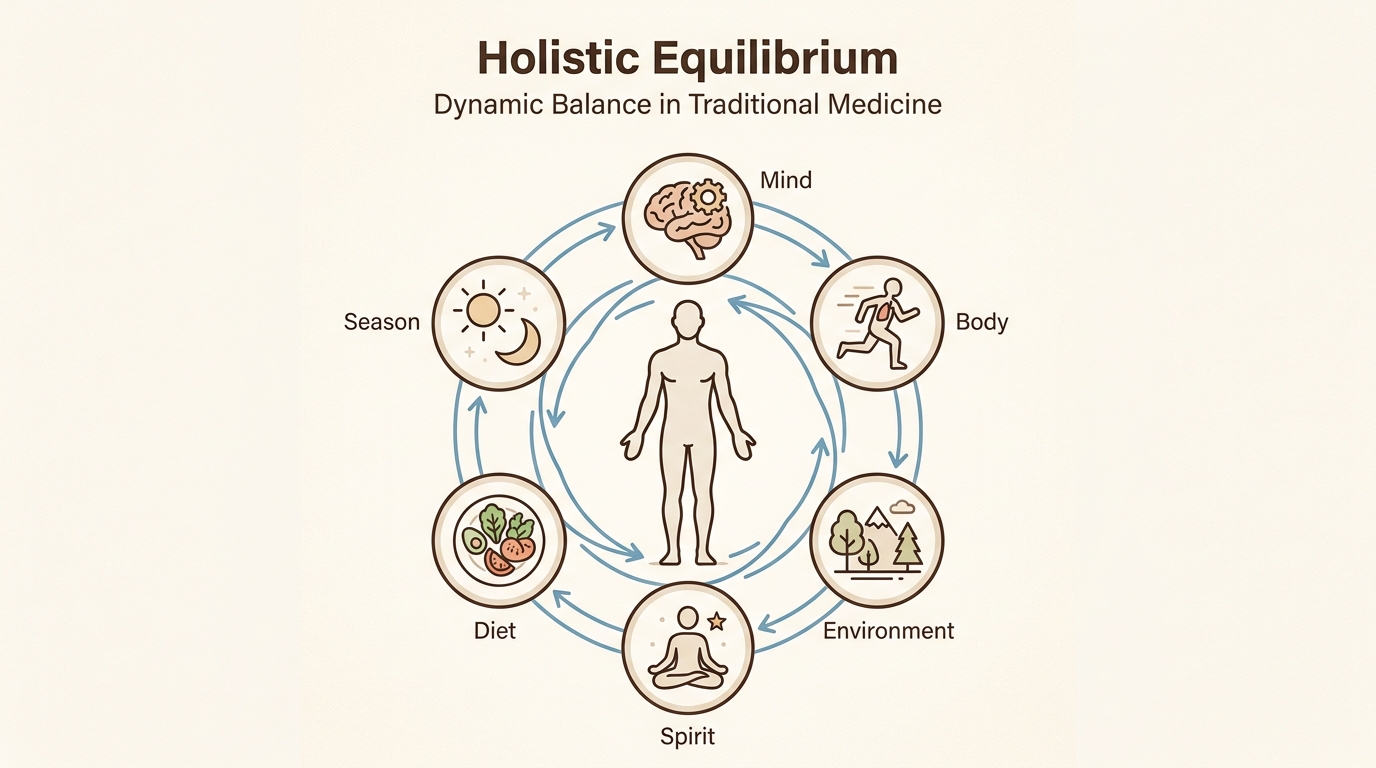
Real healing doesn’t come from trends. It comes from the discipline to understand how specific compounds interact with your unique body. Traditional systems like Ayurveda and Traditional Chinese Medicine (TCM) do not view the body as a collection of symptoms to be silenced. Instead, they focus on restoring an equilibrium of the mind, body, and environment.
In TCM, this balance is expressed through the concepts of Yin and Yang. In Ayurveda, it is about balancing the Doshas. These are not mystical abstractions; they are frameworks for understanding how internal and external factors (like stress, diet, and seasonal changes) impact your health. When an herbalist prescribes a formula, they are prescribing it for the whole person, not just the ailment.
The discipline of potency
“Natural” does not mean “harmless.” Understanding the power of herbal medicine requires respecting that power. Potent herbs like St. John’s Wort are widely recommended for mild depression, but they can interact dangerously with prescription drugs, including birth control and antidepressants.
If you are treating a specific condition, you need the guidance of a professional, not an influencer with a discount code. This isn’t just about your health; it is about our shared humanity. We are losing our connection to these fundamental truths in favor of convenient, corporate narratives. You can read more about this in our analysis: This Isn’t Just About Politics-We Are Losing Our Humanity.
How to reclaim your inheritance and start understanding the power of herbal medicine
If you want to move away from the grift and toward real healing, you have to change how you source your medicine. You have to vet manufacturers with the same scrutiny you would use for a surgeon. Reputable manufacturers research their own products, use third-party testing for quality control, and do not make outlandish, unproven claims.
Supporting local Colorado herbalists
One of the most effective ways to fight corporate corruption in the wellness industry is to support local, small-business herbalists. When you buy from a local practitioner in Colorado, you aren’t just getting a higher quality product; you are supporting a neighbor who has the training and ethical commitment to your health that a faceless corporation lacks. Supporting small businesses matters more than ever because it keeps our communities resilient against systemic grifts.
Finding a registered practitioner
Do not rely on your own research or online forums for serious health concerns. Look for a Registered Herbalist (RH) through organizations like the American Herbalists Guild. These practitioners have undergone a peer-reviewed process involving hundreds of hours of clinical experience.
Root yourself in truth with The Rooted Rite
Understanding the power of herbal medicine means accepting that there are no shortcuts to healing. It requires a return to the roots of plant medicine, the rites of traditional practice, and the receipts of scientific evidence. We started The Rooted Rite because we were tired of seeing our neighbors treated like data points and seeing our ancestral inheritance sold back to us in plastic bottles.
I promise to keep ripping the soil off the wellness industry. No corporate sponsors, no “woo,” just the honest truth about what it takes to heal. Join the community, share your stories of the wellness scams you’ve encountered, and let’s reclaim our natural inheritance together. You can learn more about our mission and who we are here.
Frequently Asked Questions
Is there scientific evidence for understanding the power of herbal medicine?
Yes, roughly 40% of modern pharmaceutical drugs are derived from plants and traditional knowledge, and many herbs have been validated in peer-reviewed biomolecular studies.
How can I safely begin understanding the power of herbal medicine?
Start by consulting a qualified healthcare provider or a Registered Herbalist (RH) and choose products from reputable manufacturers that use third-party testing.
What are the risks when understanding the power of herbal medicine?
The primary risks include contamination in unregulated supplements and potential interactions between potent herbs and prescription medications like birth control.
Why is regulation a challenge in understanding the power of herbal medicine?
In the US, the FDA classifies herbs as food, which means they do not undergo the same rigorous pre-market testing and clinical trials as pharmaceutical drugs.
Can I support my community while understanding the power of herbal medicine?
Absolutely. Sourcing your herbs from local Colorado herbalists and small businesses helps fight corporate corruption and ensures you get high-quality, ethical medicine.
 The Rooted Rite
Leave a comment